


CABAL: Return of Action
4.7422.00 Reviews
App Specs
- Version
- 1.1.52
- Updated On
- License
- Free
- Downloads
- 100,000+
- Developer
- Play This Game
- Categories
- Role Playing
- Platform
- Android
Screenshots




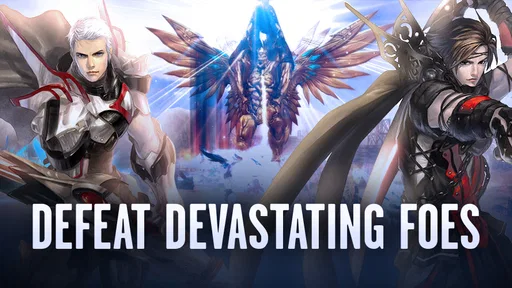
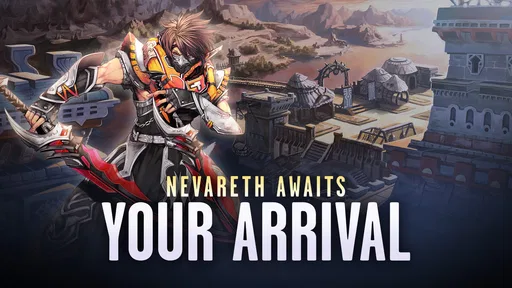
 Analysis by AppCompare
I spent time with CABAL: Return of Action as a mobile role-playing game, and my first impression was clear: this is aimed at players who want a substantial online adventure rather than a quick game to open for a few minutes. The free entry point makes it easy to try, while the Teen rating and the presence of optional purchases mean it deserves a more thoughtful look than a simple “download or skip” recommendation.
What makes the game interesting to me is the tension between its promise of a large-scale MMO RPG experience and the practical realities of playing on a phone. A mobile version has to make progress understandable on a smaller screen, keep combat readable, and give players reasons to return without making every session feel like a chore. In my experience, that balance matters more than a dramatic store slogan. The real question is whether CABAL fits the way you like to play.
What the mobile version is trying to offer
The game comes from Play This Game and sits firmly in the role-playing category. It is presented as an online adventure built around developing a character and taking part in a wider conflict. That immediately places it beside the many mobile RPGs that compete for daily attention, but CABAL has a different appeal from a short, disposable action game: it asks you to think about a longer journey.
I would approach it as a game for someone who enjoys returning to the same character over time. If you like the feeling of gradually becoming more capable, checking your next objective, and seeing an online world as a continuing hobby, the format makes sense. If you mainly want a self-contained story that can be completed in a few evenings, the MMO structure may feel less focused.
The game is free to download, which is important because it lets you judge the opening experience without committing money first. There are in-app purchases ranging from $0.99 to $99.99 per item. That is a broad spending range, so I would recommend deciding on a personal budget before getting comfortable with the game. The safest approach is to treat purchases as optional until you understand how much enjoyment you are getting without them.
Its store rating is a 4.7 average from around 14 thousand ratings, with more than 100 thousand installs. Those figures suggest that the game has attracted a meaningful audience and that many players have responded positively. They are useful signs of interest, but they do not answer the questions that matter most to an individual player: how demanding the progression feels, how much time daily play requires, and whether spending changes the experience.
The game is rated Teen, so it is not positioned as a children’s title. That matters for families deciding whether it belongs on a shared device, especially when online interaction and optional purchases are part of the wider mobile RPG environment. I would still make the download decision based on the actual player’s age, habits, and ability to manage spending responsibly rather than relying on the rating alone.
Worth Reading Before You Choose

EA SPORTS FC Mobile 26 Is a Bigger Football Game, but It Takes Time

Flipboard Shows What News Apps Must Do Beyond the Feed

Switching to Android Auto Means Rethinking Your Driving Routine

Google Calendar Makes a Crowded Week Easier to Manage

Ludo King Makes the Most of the Minutes Between Plans

Baby Panda World Brings Quick Play to Modern Phones, but Its Game Library Feels Busy
Starting without wasting your early progress
My practical advice is to use the opening period as a learning phase instead of rushing to strengthen everything immediately. In a persistent RPG, early rewards can create the impression that every upgrade is urgent. They usually are not. I would first learn how the game presents objectives, where character development is managed, and which activities feel enjoyable before investing time or money into a particular direction.
A useful routine is to pause after each major reward and ask whether it improves the way you actually play. A stronger character on paper is less valuable if the associated activity is tedious for you. This simple check helps prevent a common mobile RPG mistake: collecting upgrades automatically without understanding which improvements support your preferred rhythm.
I also recommend keeping the first sessions short enough to notice how the game fits into everyday life. A game can feel exciting during an uninterrupted first sitting and become frustrating when played between work, school, travel, or family responsibilities. CABAL is more suitable for players who enjoy making room for an ongoing hobby than for people who only have occasional spare minutes.
Progression feels better when you set your own pace
The strongest reason to stay with an MMO RPG is the sense that small actions contribute to a larger personal project. You are not simply finishing one match and deleting the app; you are building familiarity with a character and a world. That can make routine activities satisfying, particularly when you enjoy planning what to improve next rather than needing constant novelty.
The trade-off is that long-term games can create pressure. Once a player starts comparing progress with other people, every delay can feel like falling behind. I think CABAL should be played with a clear distinction between personal progress and competitive progress. If you are happy improving at your own speed, the free starting point is more appealing. If you feel compelled to match the fastest players, the purchase range becomes much more relevant to your experience.
One everyday scenario shows where the game may work well. Imagine having a quiet evening after work and wanting something more involved than a puzzle, but not wanting to begin a console-length adventure. A mobile MMO RPG can fill that space: you can check your current goals, play for a while, and return later without abandoning a complete story session. The same structure may work for a regular commute if your connection and surroundings allow it, but I would not choose it for moments when interruptions are guaranteed.
Another scenario points to its weakness. If you have only five minutes between appointments and dislike leaving tasks unfinished, the persistent nature of the game may feel inconvenient. A compact arcade game or a turn-based title designed around brief encounters would probably respect that schedule better. CABAL is not automatically the best mobile RPG simply because it is available on a phone.
Spending deserves a deliberate decision
The purchase information gives me enough to say that the game has optional paid items, but not enough to make a confident claim about how each purchase affects progress. I would not describe it as fair or unfair based only on the existence of a shop. The meaningful test is whether a player can enjoy the core journey without feeling repeatedly blocked, and that is something each player should evaluate during actual play.
For that reason, I would avoid buying anything during the first session. Learn what the game gives you naturally, identify the point at which progress begins to slow, and decide whether that slowdown is genuinely unpleasant or simply part of the intended pace. Spending is easier to judge after you know what problem an item solves. Buying first and understanding later reverses that order.
The upper end of the listed purchase range is substantial enough that families should take account controls seriously. I would use device-level purchase protections and agree on rules before handing the game to a younger player. This is not an accusation against the game; it is sensible protection for any free-to-start RPG where individual items can vary widely in cost.
My own standard for a good purchase is simple: it should improve convenience without making the unpaid experience feel pointless. I am more comfortable paying when I already enjoy the game and want to support continued play than when I feel pushed to remove an obstacle. Players who dislike any form of monetized progression should treat the free version as a trial, not as a promise that the entire experience will match a premium game.
Where competitive fairness becomes complicated
Online RPGs are difficult to judge purely as solo entertainment because other players change the value of progress. In a private adventure, taking longer to advance may not matter. In a shared environment, differences in time, experience, and spending can affect how competitive activities feel. That does not automatically make competition unfair, but it does mean that players should decide whether they want cooperation, personal development, or direct comparison.
I would recommend CABAL more confidently to someone who enjoys the world-building and character journey than to someone whose entire satisfaction comes from ranking above others. A competitive player needs to pay close attention to how much advantage is available through purchases and how strongly the game encourages keeping pace. The listed purchase range tells us that spending is part of the ecosystem, but it does not by itself reveal the exact competitive impact.
There is also a psychological side to fairness. Even when purchases are optional, frequent reminders of faster progress can make a player feel that free play is second-class. My tip is to choose a personal definition of success before entering competitive spaces. Completing your own goals, improving a specific skill, or enjoying regular group play can be healthier targets than measuring every session against players with different amounts of time or money.
For players who want a strictly equal playing field, a premium RPG with a single upfront price may be a better alternative. For players who like a living online setting and accept that optional spending exists, CABAL may be more attractive. Neither preference is wrong; the important point is to choose the model that matches your expectations instead of hoping the game will behave like a different kind of product.
How it compares with familiar mobile RPG choices
Compared with a traditional offline role-playing game, CABAL offers the appeal of an ongoing online identity rather than a fixed adventure that ends. That can make the world feel more social and durable, but it also brings more routine and more sensitivity to community activity. An offline alternative is usually better for uninterrupted storytelling, predictable pacing, and complete control over when you play.
Compared with a short-session action RPG, CABAL is likely to appeal more to players who want continuity. The cost is attention: a continuing character can encourage regular check-ins even when you are not in the mood for a full session. If you prefer games that give you a clear beginning and end every time you open them, a compact action title may be less demanding.
Compared with a premium mobile RPG, the free entry point is CABAL’s clearest practical advantage. You can test the basic appeal before paying. The disadvantage is that optional purchases require more self-management, particularly for players who are sensitive to progression pressure. I see the game as a better fit for someone comfortable making boundaries than for someone who wants every part of the experience settled by one purchase.
Device expectations and everyday practicality
The listed minimum requirement is Android 6.0, which makes the game accessible to a broad range of Android devices on paper. That does not guarantee identical comfort across every phone. Screen size, available storage, battery condition, and network quality can all affect how pleasant an online RPG feels. I would leave room for updates and avoid judging the game during a moment when the phone is already struggling with heat or low battery.
The current version is 1.1.52, so I would check that the app is updated before drawing conclusions from an older installation. Version changes can affect balance, stability, and the feel of progression. I also prefer testing a game over several ordinary sessions rather than relying on one long first impression, because online RPG friction often appears when routines repeat.
A second useful habit is to play with notifications under control. Persistent games can become noisy if every reminder is allowed through. Turning off anything that interrupts work, study, or sleep helps keep the game in its proper place. I would rather open CABAL because I chose to play than because the phone repeatedly asks for attention.
What I would want to understand before committing
The most important unknown for a new player is how the free path feels beyond the opening. The store information establishes that the game is free and includes paid items, but it does not explain the exact relationship between spending and progress. I would therefore treat the first meaningful stretch of play as an evaluation period and note when the game remains enjoyable without purchases.
I would also pay attention to how much of the experience depends on other players. Some people love the energy of a shared online world; others find schedules, social expectations, or uneven participation tiring. If cooperation is central to your enjoyment, observe whether the available activities fit the times you can actually play. If you prefer complete independence, consider whether an offline RPG would give you a cleaner experience.
Another question is whether the game’s long-term loop suits you. A persistent character can be motivating, but it can also turn entertainment into another obligation. I recommend asking yourself whether you want a hobby that rewards regular return or a game that can be ignored for weeks without making you feel behind. CABAL makes more sense for the first group.
Finally, think about spending before the moment of temptation. Decide whether you will remain entirely free-to-play, allow only occasional small purchases, or set a firm monthly limit. Because individual items range from $0.99 to $99.99, vague intentions may not be enough. A clear rule protects the fun part of the experience and makes it easier to stop when a purchase feels emotional rather than useful.
My trust verdict for potential players
I came away viewing CABAL as a worthwhile trial for mobile players who enjoy ongoing role-playing adventures and understand the responsibilities of a free-to-start model. Play This Game has positioned it for people who want more than a brief distraction, and the strong average rating and growing install base show that it has found an audience. I would not, however, treat popularity as proof that every player will enjoy its pacing or spending structure.
My main recommendation is to test the game patiently, spend slowly, and judge it by how enjoyable free progress feels. That approach gives you useful information without turning the first impression into a financial commitment. It also separates two questions that are often confused: whether CABAL is fun, and whether a particular purchase is worth making.
I would skip it if you want a fully offline RPG, dislike recurring online routines, or need a game with a completely fixed price and no purchase decisions. I would also be cautious if competitive comparison quickly makes you frustrated. In those cases, a premium or self-contained alternative is likely to be a better match.
I would recommend giving it a fair chance if you like building a character over time, enjoy the idea of an online adventure, and can keep optional spending within firm limits. The free download removes the biggest barrier to testing it, while the Teen rating and Android 6.0 requirement make its intended audience and basic platform reach easy to understand. For me, CABAL works best when it remains a chosen pastime rather than a daily obligation: play because the journey is enjoyable, not because the game has convinced you that you must keep up.
Pros
- Faithful adaptation of the classic CABAL combat style
- Fast-paced battles keep routine quests feeling engaging
- Several classes offer different playstyles and skill combinations
- Guild activities add a useful social and cooperative element
- Regular events provide extra rewards and limited-time objectives
Cons
- Auto-play can make some progression feel less interactive
- Upgrade systems may seem complex for new MMORPG players
- Energy and resource limits can slow extended play sessions
- Some content is better enjoyed with an active guild
- Performance may vary on older phones during crowded battles
FAQs for CABAL: Return of Action
What is CABAL: Return of Action?
CABAL: Return of Action is a mobile MMORPG inspired by the CABAL universe, combining real-time combat, character progression, quests, dungeons, equipment upgrades, and competitive features. The game is designed for players who enjoy action-focused battles rather than purely automatic gameplay. After installing it, you can choose a class, develop your character, collect better gear, and explore content that gradually becomes more demanding as your power increases.
Is CABAL: Return of Action free to download and play?
The game can generally be downloaded and started without an upfront purchase, but it may include optional in-app purchases. These can be used for items, progression resources, cosmetic content, convenience features, or other advantages, depending on the current version and region. You can play without spending money, although progression may require more time and patience. Before buying anything, review the store listing and enable purchase restrictions if children use the device.
Does CABAL: Return of Action require an internet connection?
Yes, CABAL: Return of Action is primarily an online game and normally requires a stable internet connection. Online access is needed for account synchronization, quests, events, multiplayer activities, competitive modes, updates, and communication with the game servers. It is not a suitable choice for fully offline play. Using Wi-Fi is recommended when downloading additional data or playing for long periods, especially if your mobile data plan is limited.
What devices are compatible with CABAL: Return of Action?
Compatibility depends on your Android or iOS version, available storage, hardware performance, and the requirements published in the official app store. Because it is a 3D online MMORPG, newer mid-range and high-end devices usually provide a smoother experience, while older phones may need reduced graphics settings. Make sure you have sufficient free storage for the initial installation and later updates, and download the game only from an official store or authorized source.
Is CABAL: Return of Action suitable for beginners and casual players?
Beginners can learn the game through its introductory quests, class systems, equipment progression, and guided activities, so previous MMORPG experience is not essential. However, the number of menus, upgrade options, events, currencies, and multiplayer features may feel overwhelming at first. Casual players can enjoy daily progression, but long-term advancement may favor people who log in regularly. Choosing a class that matches your preferred combat style will make the early experience more enjoyable.


